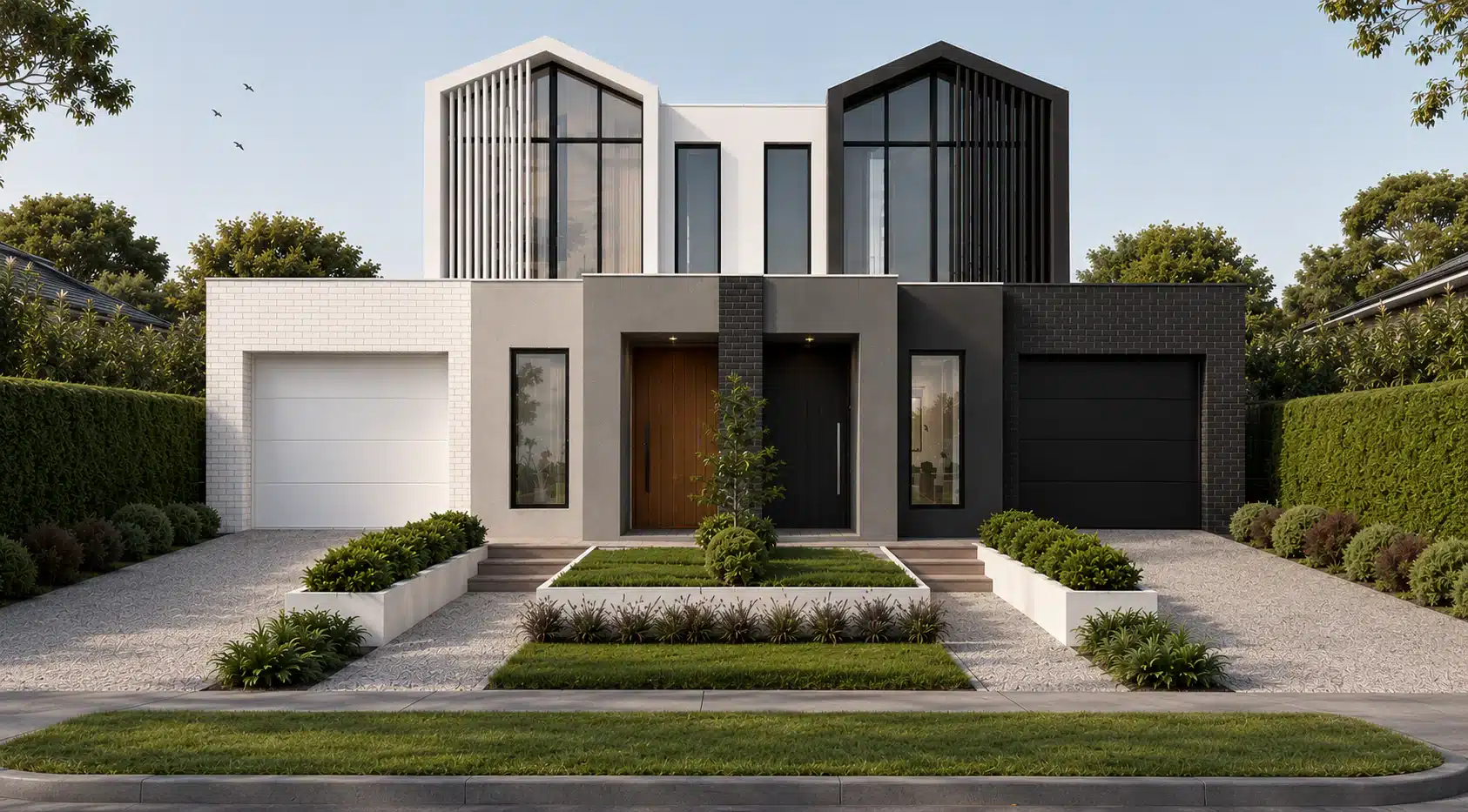
A display home can tell you what a builder’s work looks like on a good day. It cannot tell you what happens when something goes wrong, when a cost blows out, or when you need an honest answer about what is and is not included. The questions to ask a builder before signing a contract are the ones that separate a builder who is selling a dream from one who is delivering a home.
We work with clients every week who have spoken to three or four builders before coming to us. The ones who end up in trouble are not the ones who chose the wrong floor plan. They are the ones who did not ask the right questions early enough.
This article sets out the ten questions that matter most. For each one, we explain why it matters, what a good answer looks like, and what should concern you.
1. What Exactly Is Included in Your Base Price?
This is the single most important question you can ask any builder. The base price is the number that gets you through the door, but it means nothing unless you know exactly what it covers.
Some builders quote a base price that includes the structure and little else. No driveway. No landscaping. No fencing. Others include everything you need to move in on handover day. The difference can be $50,000 or more.
Why this matters: The base price is how you compare builders. If one quotes $280,000 and another quotes $310,000, the lower price is only cheaper if it includes the same scope. In most cases, it does not.
What a good answer looks like: A written inclusions list, item by item, with brand names, product ranges, and quantities. If landscaping, fencing, a driveway, blinds, and ducted air conditioning are included as standard, it should say so clearly.
What a concerning answer sounds like: “We can go through all that later.” If a builder cannot tell you exactly what is in the base price before you sign, it is because the answer is not one you would like.
For a detailed breakdown of standard inclusions, see our guide on what is included in a house and land package.
2. What Is NOT Included That I Will Need to Budget For?
The opposite of question one, and just as revealing. Every build has costs outside the building contract. The question is whether your builder is upfront about them or whether you discover them after signing.
Common items outside most contracts include site costs, council permit fees, BAL assessment fees, developer connection fees, and landscaping. Some are genuinely variable. Others are predictable and should have been flagged during quoting.
Why this matters: The gap between contract price and actual cost to move in is where most budget stress occurs. Buyers who budget only for the contract price are underestimating the total cost.
What a good answer looks like: A builder who proactively lists what is not included, provides estimated ranges, and explains which costs are fixed versus variable.
What a concerning answer sounds like: “Everything is pretty much covered.” No build includes literally everything. If a builder downplays exclusions, they are managing your perception, not your expectations.
We cover the most common exclusions in our guide to site costs explained.
3. Is This a Fixed Price Contract and What Can Change It?
The words “fixed price” appear in almost every builder’s marketing. But a fixed price contract and a fixed total build cost are not the same thing.
A genuine fixed price contract means the price you sign for is the price you pay, provided the scope does not change. Variations you initiate, unforeseen site conditions, or authority requirements can trigger additional costs. The question is how wide those exceptions are.
Why this matters: Some builders use “fixed price” as a marketing term while including clauses that allow cost increases for a wide range of reasons. The contract wording determines what you are actually getting.
What a good answer looks like: “Yes, this is a fixed price contract. The only things that can change the price are variations you request, or conditions found after soil testing that differ from the original report.” The builder should also explain how variations are priced and approved before work proceeds.
What a concerning answer sounds like: “It is fixed, but site costs are separate and those can vary.” If the builder cannot tell you the total cost with site costs included, the price is not fixed in any meaningful sense.

4. What Are Your Estimated Site Costs for This Block?
Site costs are the works required to prepare your specific block for construction. They include soil testing, engineering, cut and fill, rock removal, retaining walls, and sewer and stormwater connections.
Every block is different. A flat, titled lot with standard soil might carry $10,000 to $15,000 in site costs. A sloping block with reactive clay and a long sewer run could be $40,000 or more.
Why this matters: Site costs are the most common source of budget blowouts in residential construction. A competent builder can assess a block and provide a realistic estimate before you sign.
What a good answer looks like: A specific number or tight range based on the soil report, site survey, and estate requirements. If they have built in the same estate before, they should reference comparable costs.
What a concerning answer sounds like: “We will not know until we start.” A builder who cannot provide an estimate based on a soil report is either inexperienced with the area or deliberately avoiding the conversation.
5. What Is Your Average Build Time from Contract to Handover?
Build timelines matter for planning your finances, managing your current living situation, and setting realistic expectations. Most project home builders in Melbourne deliver a standard single storey home in 6 to 9 months from slab pour. The total timeline from contract to handover is typically 9 to 14 months.
Why this matters: Extended build times cost you money. Every extra month is another month of rent and additional construction loan interest.
What a good answer looks like: A specific range with context. “Our average build time for this design is 26 to 30 weeks from slab pour. Total timeline from contract to handover is typically 10 to 12 months.” The builder should explain what factors influence the timeline.
What a concerning answer sounds like: “Every build is different.” That is true, but it is also evasive. A builder who has delivered homes in the same corridor should give you a realistic timeline based on recent completions.
6. How Will I Be Updated During the Build?
Communication is the number one complaint in residential construction. Not quality. Not price. Not timelines. Communication. The way a builder keeps you informed during the build is a reliable indicator of how they run their business.
Why this matters: A building project runs for months. Decisions need to be made, progress payments are triggered, and questions arise. If you do not know who to call or how often you will hear from them, you are building blind.
What a good answer looks like: A defined communication process. “You will have a dedicated project coordinator who sends progress updates with photos at each stage. You can contact them directly by phone or email at any time.”
What a concerning answer sounds like: “You can call the office.” No named contact. No defined process. If a builder does not have a communication system in place before the build starts, they will not develop one during it.
For an overview of what happens at each construction stage, see our guide to the building stages.
7. Can I Visit the Site During Construction?
This question reveals a builder’s confidence in their work. Builders who do good work want you to see it. Builders who cut corners do not.
Why this matters: Seeing your home during construction gives you confidence that what was promised is being delivered. It also lets you raise concerns while they can still be addressed, rather than discovering issues at handover.
What a good answer looks like: “We schedule site visits at key stages so you can see the progress. We ask that visits are arranged in advance for safety and coordination.” Some builders include formal stage inspections where you walk the site with the supervisor.
What a concerning answer sounds like: “We do not really allow that for insurance reasons.” Insurance does not prohibit supervised site visits. This answer typically means the builder does not want you looking too closely.

8. What Happens If There Are Defects After Handover?
Every new home will have minor items that need attention after handover. A door that does not latch properly. Paint touch ups. This is normal. What matters is how the builder handles it.
Why this matters: The relationship with your builder does not end at handover. The defect rectification period is where you find out whether the builder stands behind their work or disappears once the final payment clears.
What a good answer looks like: “We have a formal defect reporting process. You submit items through our system, and we schedule rectification within a defined timeframe. We also conduct maintenance inspections at 13 weeks and 52 weeks.”
What a concerning answer sounds like: “Just give us a call if anything comes up.” No system. No defined timeframe. No proactive inspections. If the defect process is informal, so will the response be.
9. What Warranty and Insurance Do You Provide?
In Victoria, all domestic building work valued over $16,000 requires domestic building insurance. This protects you if the builder dies, disappears, or becomes insolvent. The Victorian Building Act also mandates a minimum 6 year warranty on structural defects and 2 years on non structural defects.
Why this matters: Warranty and insurance protect your investment if something goes wrong. Understanding what is covered, for how long, and by whom is essential before you sign.
What a good answer looks like: “We provide domestic building insurance on every project, with statutory cover of 6 years for structural defects and 2 years for non structural defects. Here is the certificate of currency.” A builder who hands you documentation before you ask is one who takes compliance seriously.
What a concerning answer sounds like: “Do not worry, everything is covered.” If a builder cannot produce their insurance certificate or warranty terms in writing, that is a serious red flag. Domestic building insurance is not optional in Victoria.
10. Can I Speak to a Recent Client of Yours?
This is the question that makes average builders uncomfortable and good builders proud. A recent client can tell you what the communication was like, whether the build finished on time, how defects were handled, and whether they would build with that builder again.
Why this matters: Marketing tells you what a builder wants you to believe. A past client tells you what actually happened.
What a good answer looks like: “Of course. I can give you the details of two or three recent clients who are happy to share their experience.” The builder should offer this without hesitation.
What a concerning answer sounds like: “We have testimonials on our website.” Published testimonials are curated. They are not the same as a conversation with someone who went through the process. If a builder will not connect you with a recent client, consider what that might mean.
For a broader guide on evaluating builders, see our article on how to choose a home builder.
What Ties All Ten Questions Together
These ten questions are designed to do one thing: reveal how a builder actually operates. A display home shows you the product. These questions show you the process, the communication, and the accountability.
A good builder will welcome these questions because they have clear answers. A builder who deflects or generalises is telling you something important. Before you sign a new home building contract in Victoria, you deserve specific answers to every one of these questions. In writing, where possible.
Frequently Asked Questions
What should I ask a builder before signing a contract?
Ask about base price inclusions, exclusions, site cost estimates, build timelines, communication processes, defect handling, warranty coverage, and whether you can speak to recent clients. The ten questions in this guide cover the areas where buyers most commonly encounter surprises after signing.
What are red flags with a home builder?
Red flags include vague or verbal only answers about pricing, reluctance to provide a written inclusions list, unwillingness to connect you with past clients, no defined communication process during the build, and inability to produce insurance certificates or registration details. Any builder who discourages you from asking detailed questions before signing should be treated with caution.
What is included in a fixed price building contract?
A fixed price building contract should include the complete construction of the home as specified in the plans and schedule of inclusions. The price is locked provided the scope does not change. However, buyer initiated variations, unforeseen site conditions not covered in the soil report, and authority requirements can still trigger additional costs. The key is understanding exactly what “fixed” covers in your specific contract. See our guide on what is included in a house and land package for a full breakdown.
How do I protect myself when building a house?
Get every commitment in writing. Read the schedule of inclusions and the contract conditions before signing. Confirm the builder holds current domestic building insurance and VBA registration. Request a detailed site cost estimate before contract. Understand the variation process and approval requirements. Speak to at least one recent client. Arrange an independent building inspection at frame stage and pre handover. These steps do not guarantee a perfect build, but they significantly reduce the risk of an unpleasant one.
Fixed price contracts are available on Senka house and land packages and dual occupancy projects, subject to site findings, with turnkey completion available as an option. Custom builds and knockdown rebuilds are priced to the individual site and scope. Your building contract sets out exactly what is included for your project.