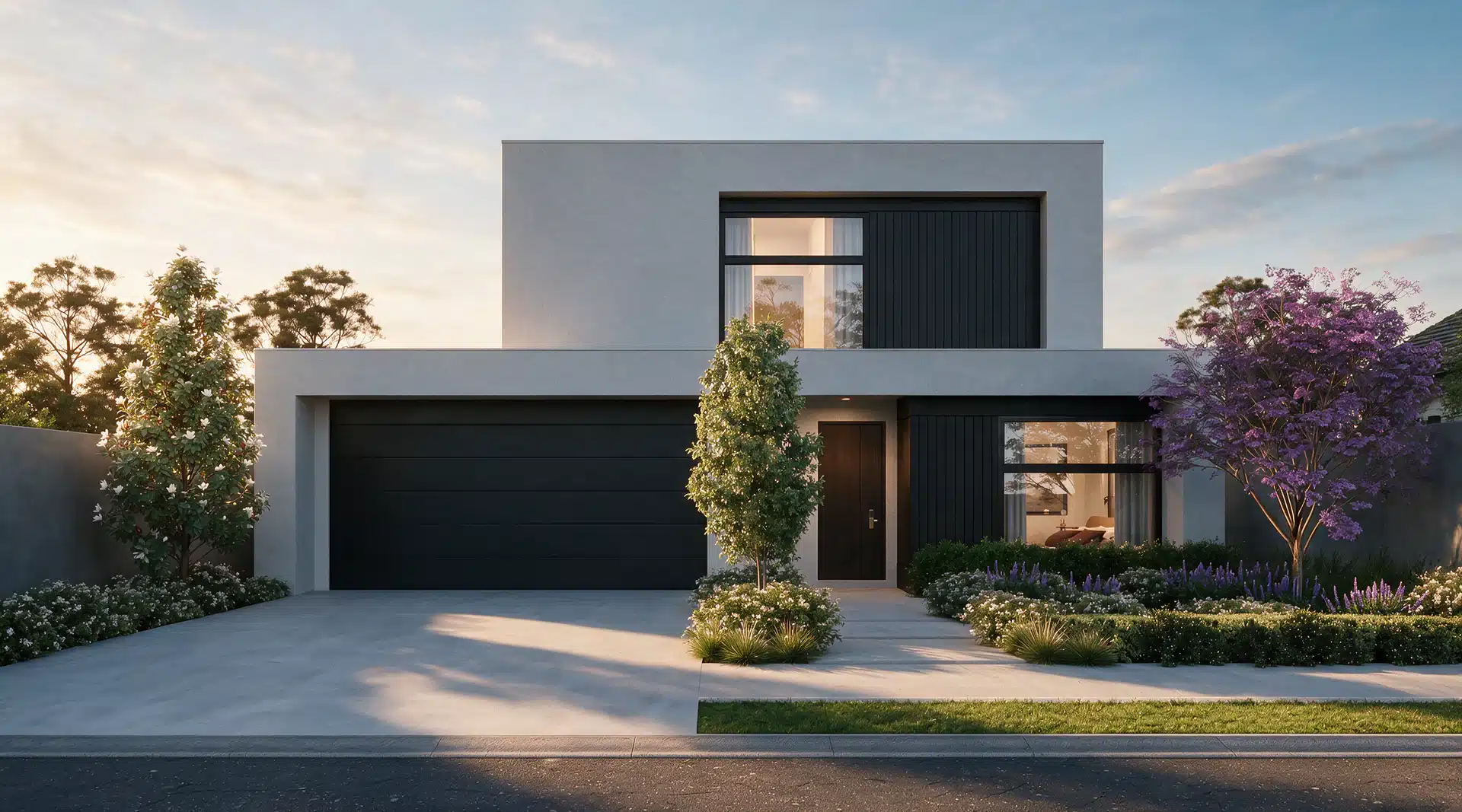
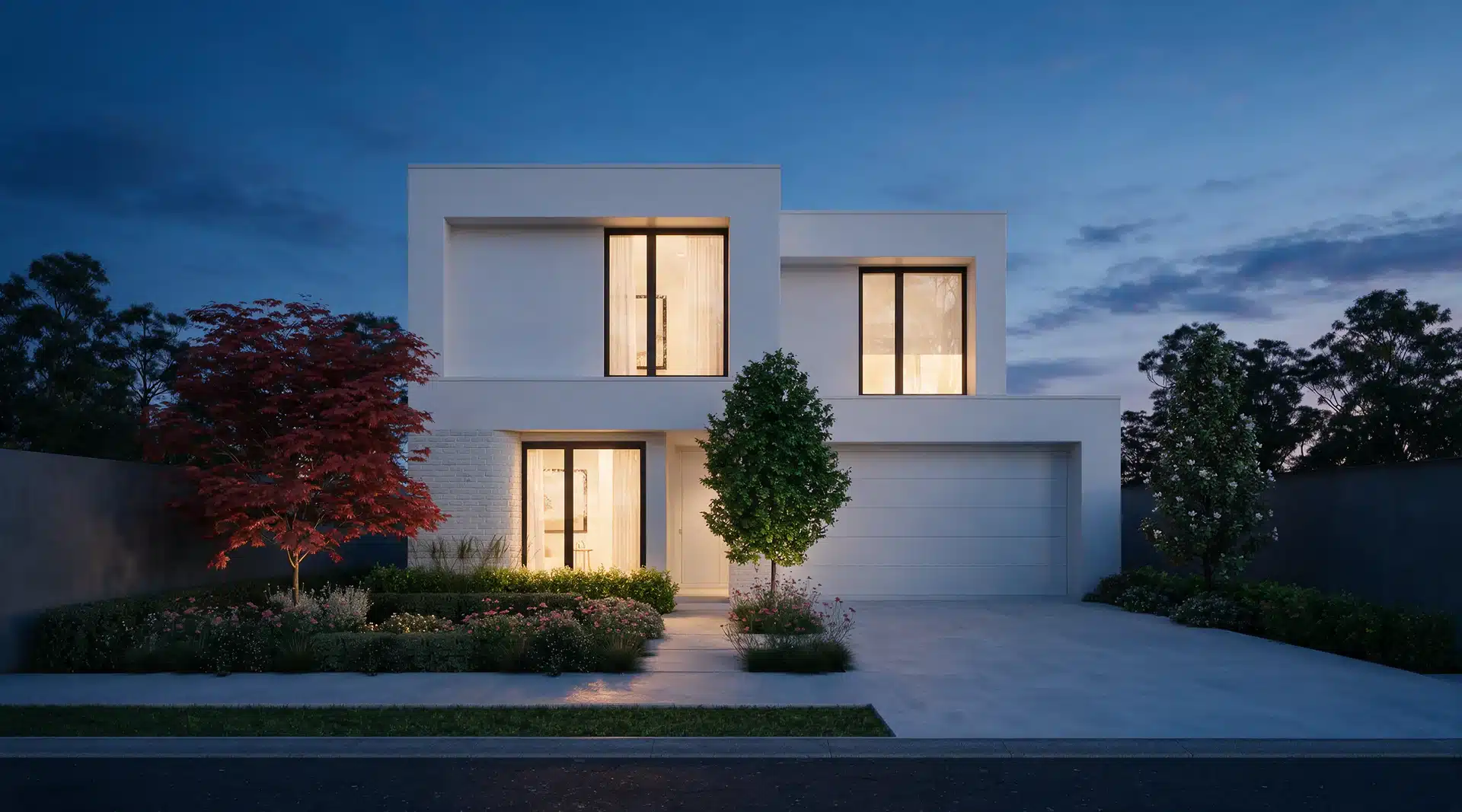
Melbourne’s growth corridors are producing more house and land packages than at any point in the last decade. New estates are releasing stages across the west, north, and Geelong regions, and builders are competing hard for buyers with headline prices that look compelling on paper. The problem is that most of those prices tell you very little about what you are actually getting.
If you are searching for house and land packages in Melbourne, this guide covers where the packages are, how to compare them properly, and how to identify a well structured deal from one that will cost you far more than the advertised figure.
House and land remains the most popular way to build a new home in Melbourne. The stamp duty advantage alone saves most buyers between $15,000 and $25,000 compared to purchasing an established property at the same price point. Combined with first home buyer grants and exemptions, the financial case is strong. But the financial case only holds if the package you sign is genuinely complete. That starts with knowing where to look and what to look for.
Melbourne’s Growth Corridors: Where the Packages Are
Melbourne’s house and land market is concentrated in three major growth corridors, each with distinct characteristics, price points, and infrastructure timelines. Understanding where the packages are helps you narrow the search before you start comparing builders.
Western Corridor: Deanside, Tarneit, Mambourin, Thornhill Park
The western growth corridor stretches from Werribee through to Melton and is the most active house and land market in Melbourne. Land releases are consistent, developer competition keeps lot prices relatively accessible, and infrastructure investment is accelerating.
Deanside sits between Rockbank and Caroline Springs, offering proximity to the Western Freeway and Rockbank Station. Estates here deliver mid sized lots in established developer communities with strong covenant standards. It is one of the more mature pockets in the west, which means services, streetscaping, and local amenity are more advanced than newer releases further out.
Tarneit remains one of Melbourne’s highest volume land release areas. The precinct benefits from two train stations, the Pacific Werribee shopping precinct, and a growing network of schools and medical facilities. Land sizes vary from compact townhome lots through to traditional frontage blocks. The volume of builders operating in Tarneit means the comparison exercise here is critical. There are excellent packages and there are heavily stripped ones sitting side by side.
Mambourin is the newer frontier west of Tarneit. Estates like Mambourin Green are still in early stage releases, which means competitive introductory land pricing but longer timelines to community infrastructure. Buyers here are typically looking for value on larger lots with the understanding that the suburb will mature over the next 5 to 10 years.
Thornhill Park sits at the gateway to the western corridor, near Rockbank Station. The estate has moved through its early stages and now offers titled lots with established streetscaping. It appeals to buyers who want the pricing of the west with slightly better proximity to existing urban infrastructure.
For buyers comparing house and land packages in Melbourne’s west, the key variables are lot size, title timing, transport access, and the maturity of the estate. The cheapest lot is not always the best value when you factor in the wait for services and amenity.
Northern Corridor: Mernda, Sunbury, Kingsfield
The northern corridor runs from the outer suburbs of Whittlesea through to Sunbury and is the second largest growth front in Melbourne.
Mernda benefits from the South Morang rail extension, which brought train access to the suburb and accelerated both development and price growth. Estates in and around Mernda offer a mix of lot sizes in well planned communities with established schools, parks, and retail. It is one of the more connected northern suburbs for house and land buyers, and competition between builders is strong.
Sunbury offers a semi regional character with direct freeway access and an existing town centre. New estates on the edges of Sunbury are delivering land at a price point below Mernda, with the trade off being slightly longer commute times and a different lifestyle feel. The topography in parts of Sunbury can affect site costs, so geotechnical assessment matters here more than in flat corridor estates.
Kingsfield is one of the newer northern estates, positioned within the broader Mickleham and Merrifield precinct. It offers competitive land pricing in a corridor that has seen significant school and retail investment. Estates in this pocket include Berry Lane and Havenwood, both actively releasing lots with covenant controlled streetscapes.
The northern corridor tends to attract owner occupiers over investors, largely because of the lifestyle appeal and the rail connectivity. Packages here are priced slightly above the western corridor on average, but the demand fundamentals and rental yields remain strong.
Geelong Region: Lara, Armstrong Creek
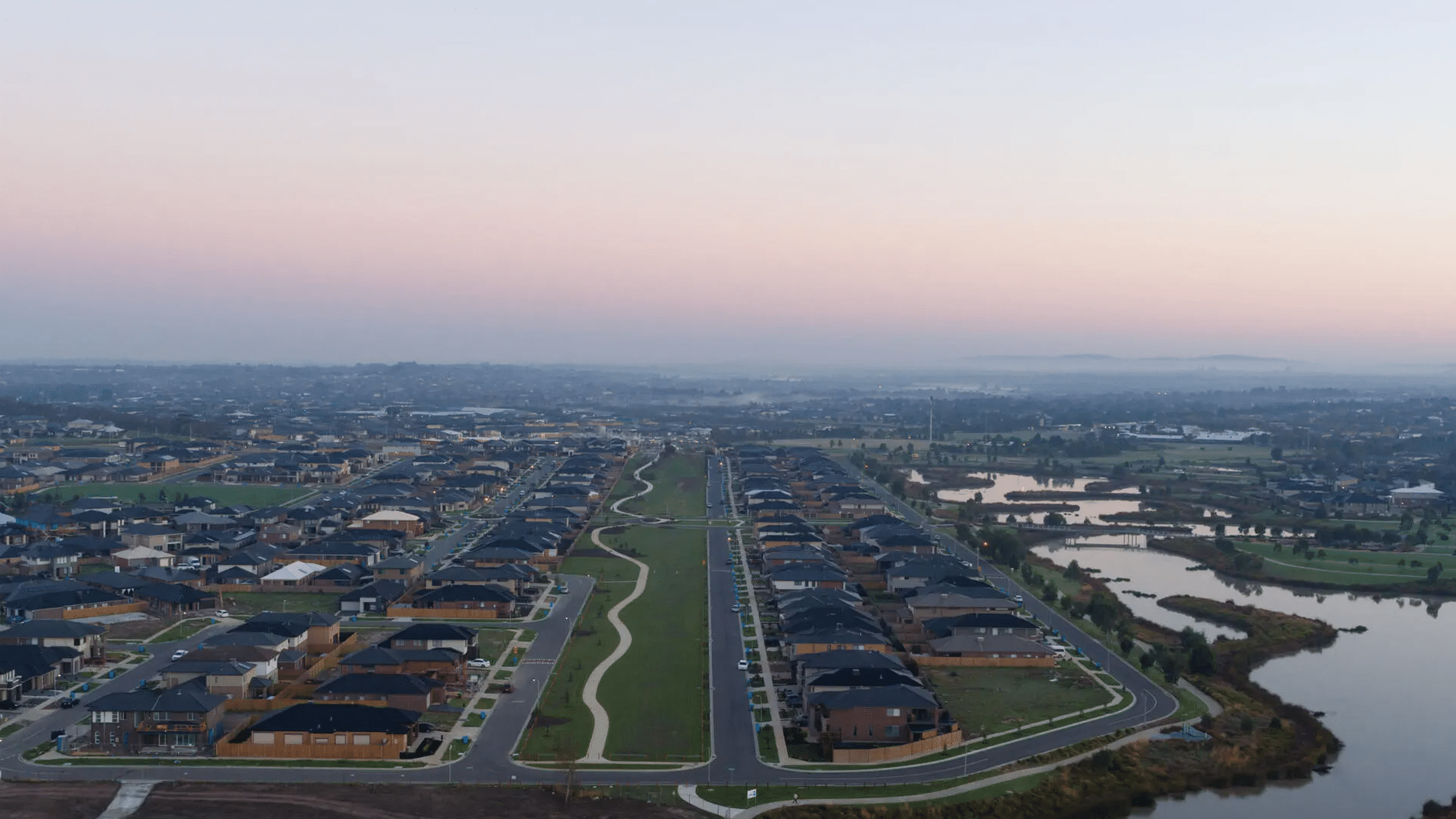
Geelong has shifted from a regional alternative to a genuine growth market in its own right. The combination of freeway upgrades, rail investment, and a growing employment base has made Geelong and its surrounding suburbs a serious consideration for Melbourne buyers.
Lara sits midway between Melbourne and Geelong, offering house and land packages at a price point well below metropolitan Melbourne. Estates such as Lara Lakes and Lara Waters are delivering titled lots with strong amenity access. Lara appeals to buyers who work in either Geelong or Melbourne’s west and want space, value, and a semi regional lifestyle.
Armstrong Creek is Geelong’s primary growth front. The precinct is planned for over 20,000 dwellings and has seen rapid investment in schools, town centres, and transport links. Land prices are competitive, lot sizes are generous compared to Melbourne’s growth corridors, and the long term infrastructure plan is well documented. For investors, Armstrong Creek offers strong rental demand driven by the Geelong employment market and Deakin University.
The Geelong region delivers a different proposition to Melbourne’s suburban corridors. Larger lots, lower land prices, and a lifestyle shift. The trade off is distance from Melbourne’s CBD, though the commute via the Geelong rail line is comparable to many outer suburban train journeys.
How to Compare House and Land Packages: What Most People Miss
Once you have identified the corridor and estate that suits your situation, the real work begins. Comparing house and land packages is where most buyers make the decision that determines whether the build is a positive experience or a stressful one.
The comparison is not about finding the lowest number. It is about finding the most complete, honest, and deliverable package for your budget.
The Inclusion Trap: Advertised Price vs Actual Cost
The single most common mistake buyers make when comparing house and land packages in Melbourne is comparing base prices. The base price of a package is the number that appears on the website, the listing portal, or the sales brochure. It is not the price you will pay.
The base price typically reflects the land at a set figure, the smallest home design at the lowest specification, and ideal site conditions. It assumes you do not need landscaping, fencing, a driveway, blinds, air conditioning, a decent facade, or premium finishes. In other words, it assumes a home that nobody would actually build.
The items routinely excluded from base pricing in Melbourne:
- Landscaping and fencing: $13,000 to $28,000
- Concrete driveway and crossover: $4,000 to $8,000
- Blinds throughout: $3,000 to $7,000
- Ducted air conditioning: $8,000 to $14,000
- Architectural facade upgrade: $5,000 to $12,000
- Premium fixtures, stone benchtops, quality appliances: $8,000 to $18,000
- Opticomm or fibre connectivity: $1,500 to $3,000
Total gap between advertised price and move in cost: $42,500 to $90,000
That is not an exaggeration. It is the documented reality across the Melbourne market. The builder quoting $440,000 who excludes these items will cost you more than the builder quoting $480,000 who includes them all. But you will not know that until you read the specification schedule.
The fix is straightforward. Ignore the headline price. Ask every builder: what is the total cost to move in to this home on this block with everything I need on day one? Compare that number. Not the starting figure.
For a line by line breakdown of what should be included, see our full inclusions guide.
How to Evaluate the Builder, Not Just the Package
A house and land package is only as reliable as the builder delivering it. The best inclusions list in Melbourne is worthless if the builder cannot execute on time, on budget, and to the standard described in the contract.
Here is what to assess.
Registration and insurance. Every builder in Victoria must hold a current registration with the Victorian Building Authority (VBA). They must also carry domestic building insurance for any contract over the legislated threshold. Confirm both before engaging. This is not a formality. It is a legal requirement and your financial protection.
Construction timeline. Ask the builder for their average build time on their last ten completed homes. Not the estimated timeline on the brochure. The actual completion data. Builders who track this will share it. Builders who do not track it cannot guarantee your timeline.
Variation history. Request the average variation cost on their recent builds. A builder with comprehensive inclusions should have a low variation average because there are fewer items to add during construction. A high variation average signals that the base price is not the real price.
Communication model. How will you receive updates during the build? How frequently? Who is your point of contact? Builders who have a structured communication process tend to deliver a smoother experience. Builders who rely on you to chase updates tend to deliver frustration.
Trade quality. A builder’s work is only as good as the trades on site. Ask how the builder selects and manages their trade partners. A curated network of consistent trades produces a different outcome to a rotating roster assembled on availability.
Warranty and defect resolution. Victoria’s statutory framework provides six years of cover for structural defects and two years for non structural defects under domestic building insurance, plus implied warranties under the Domestic Building Contracts Act 1995. Beyond the legal minimum, understand the builder’s approach to post handover defects. How are maintenance items handled? What is the response time? The answer tells you whether the builder’s commitment ends at handover or continues beyond it.
For a detailed evaluation framework, see our guide on how to choose a home builder.
Current Senka Packages Available
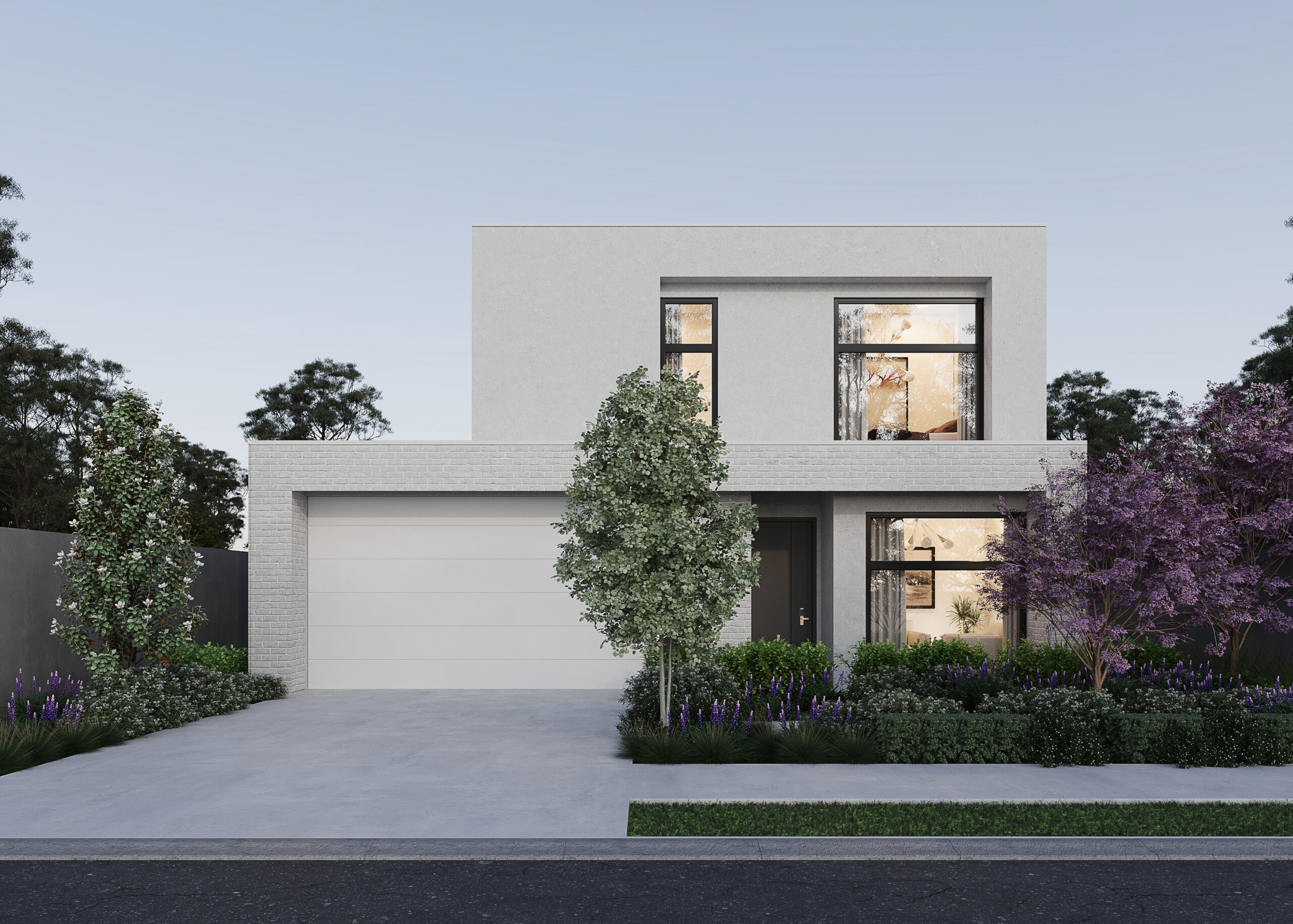
Senka currently has house and land packages available across Melbourne’s western, northern, and Geelong corridors. Every package is structured as a complete, turnkey home with all inclusions priced into the contract from day one.
Active locations include:
- Western corridor: Deanside, Tarneit, Mambourin Green, Thornhill Park
- Northern corridor: Mernda, Berry Lane, Havenwood, Sunbury, Kingsfield
- Geelong region: Lara, Lara Lakes, Lara Waters, Armstrong Creek
Every Senka package includes landscaping and fencing, blinds throughout, an architectural facade, concrete driveway, ducted air conditioning, Opticomm connectivity, premium fixtures, and a 7 star energy rating as standard. These are not upgrades. They are the specification every client receives.
Our packages are designed and priced on the specific block they sit on. The home design is assessed against lot dimensions, orientation, covenant requirements, and site classification. The building contract is structured under HIA terms with fixed pricing, clear inclusions, and a defined construction timeline.
There is no second price. The figure on the contract is the figure at handover.
Stock availability changes with lot releases and developer timelines. For the current list of available house and land packages, contact the Senka team directly or visit our house and land overview.
Frequently Asked Questions
Where are the cheapest house and land packages in Melbourne?
The most affordable house and land packages in Melbourne are typically found in the outer western and Geelong corridors. Suburbs like Mambourin, Lara, and Armstrong Creek offer lower land prices than established northern or eastern suburbs. However, the cheapest package is not always the best value. A lower base price that excludes landscaping, air conditioning, and other essentials will often cost more in total than a higher priced package that includes everything. Always compare the move in cost, not the headline figure.
How much does a house and land package cost in Melbourne in 2026?
House and land packages in Melbourne in 2026 range from approximately $450,000 in outer growth corridors to over $750,000 in more established locations. The price depends on lot size, location, home design, and inclusions. A package advertised at $450,000 with excluded items may cost $520,000 or more once landscaping, fencing, air conditioning, and other essentials are added. Packages from builders with comprehensive inclusions may start at a higher headline figure but deliver a lower or comparable total cost.
Are house and land packages worth it in Melbourne?
For most buyers, house and land packages in Melbourne represent strong value when structured correctly. The stamp duty advantage alone saves $15,000 to $25,000 compared to an equivalent established property. Combined with a 7 star energy rating, new warranties, and no immediate maintenance, the economics favour building new. The key is choosing a builder whose contract price reflects the actual finished home, not a stripped base specification that requires tens of thousands in variations.
What should I look for in a Melbourne house and land package?
Focus on five things. First, the total move in cost, not the base price. Second, the inclusions list, checked line by line against what you need to live comfortably. Third, the site cost approach, whether it is a fixed figure or a provisional allowance. Fourth, the builder’s registration, insurance, and variation history. Fifth, the contract terms, including construction timeline, payment schedule, and variation provisions. The builder who answers all five clearly is the one worth signing with.
Can I customise a house and land package?
Most builders allow some level of customisation within a house and land package. This can include modifying the floor plan, upgrading specifications, changing facade styles, or adjusting room configurations. The extent of customisation depends on the builder, the estate covenants, and the lot. Some builders offer only minor tweaks to standard designs. Others, like Senka, work with each client to ensure the design suits the block and the way they live. Significant structural changes may affect pricing and timelines, so discuss customisation options early in the process.
Fixed price contracts are available on Senka house and land packages and dual occupancy projects, subject to site findings, with turnkey completion available as an option. Custom builds and knockdown rebuilds are priced to the individual site and scope. Your building contract sets out exactly what is included for your project.
Standard inclusions such as front and rear landscaping, full boundary fencing and a concrete driveway apply to Senka house and land packages. On custom builds and knockdown rebuilds the inclusion list is set by your building contract.