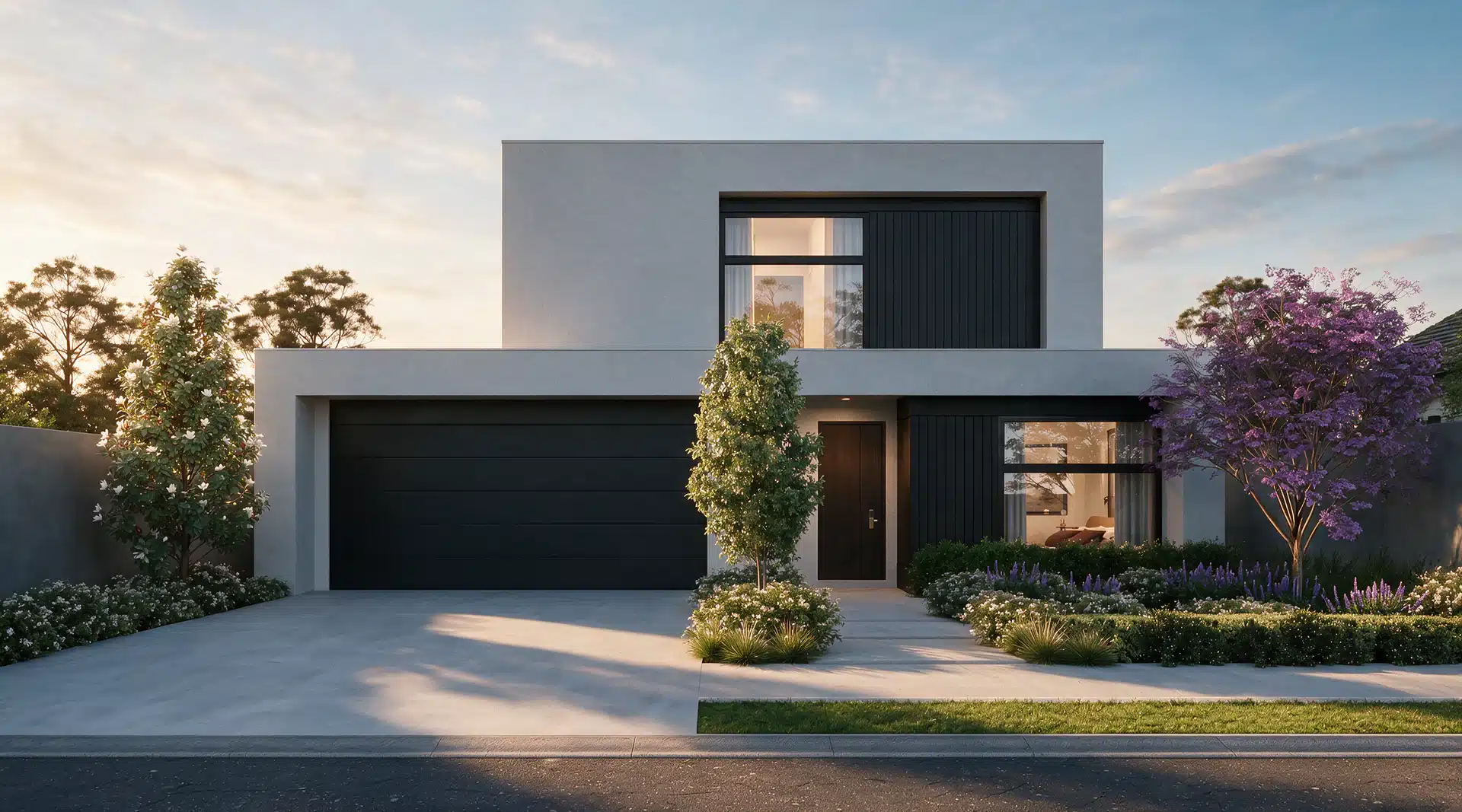
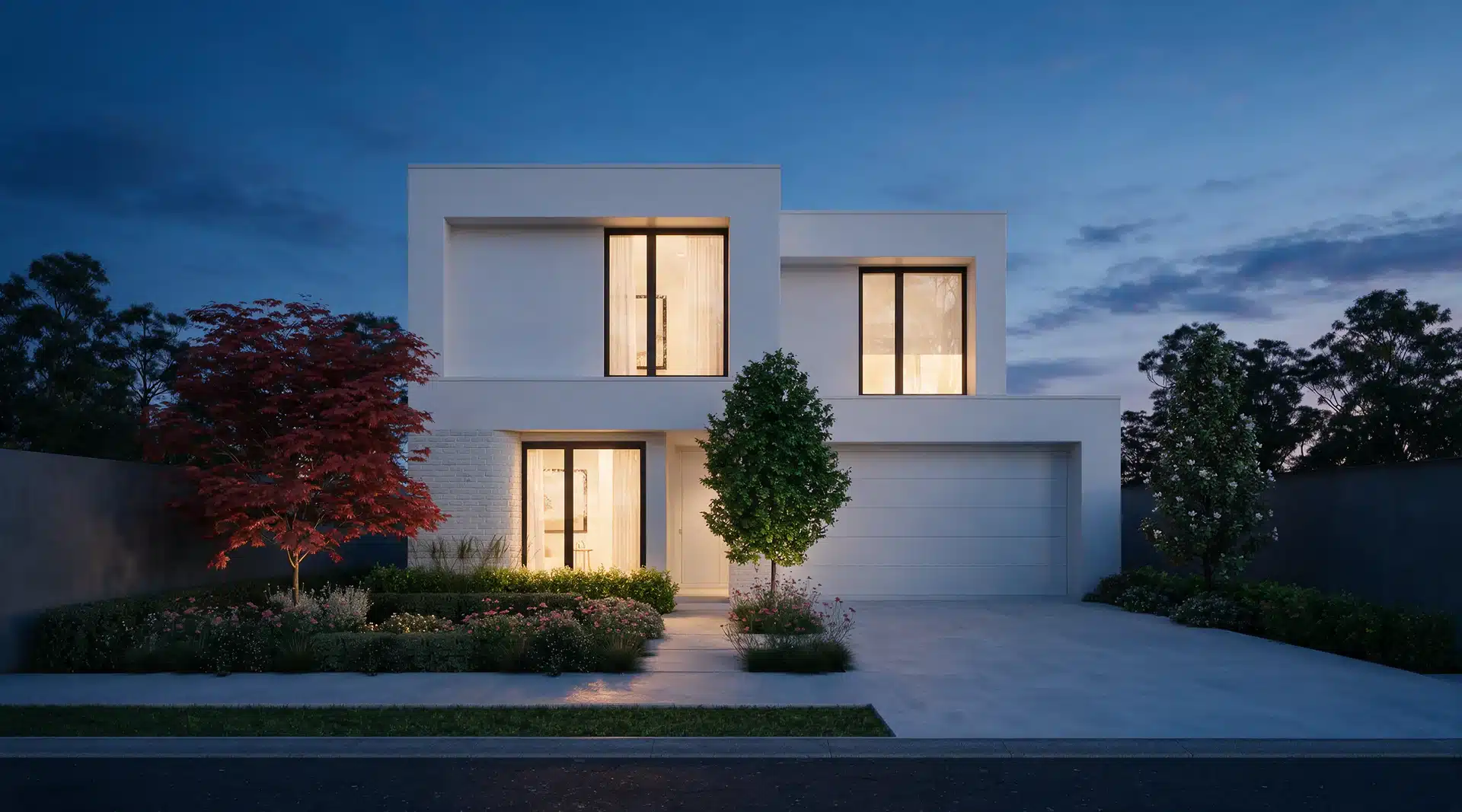
If you are building a new home in Australia, your home will meet a 7 star energy rating. That is not optional. It is the minimum standard under the National Construction Code. What most buyers do not realise is that meeting this standard qualifies you for a product most established home buyers cannot access: a green home loan.
A green home loan Australia lenders offer is a mortgage product with a discounted interest rate for homes that meet defined energy efficiency thresholds. The discount ranges from 0.10 percent to 0.40 percent below the lender’s standard variable or fixed rate. On a $600,000 loan over 30 years, even a 0.20 percent discount saves you over $25,000 in interest over the life of the loan.
This is not a niche product. Major banks and non bank lenders offer green home loans, and the eligibility criteria are straightforward for any new build that meets current energy standards. Every home Senka builds qualifies. That is not a marketing line. It is a function of how we design and specify every project.
What is a green home loan
A green home loan is a home loan product that offers a lower interest rate in exchange for the property meeting specific energy efficiency or sustainability criteria. The concept is simple: energy efficient homes are less costly to run, their occupants face lower utility bills, and those savings reduce the risk of mortgage stress. Lenders price that reduced risk into the rate.
The criteria for qualifying vary by lender, but the common benchmark is the NatHERS energy star rating. Most green home loan products require a minimum 7 star NatHERS rating, which aligns with the current National Construction Code minimum for all new residential builds.
Some lenders have additional criteria, such as a Whole of Home energy assessment or specific inclusions like solar panels, battery storage, or high efficiency hot water systems. Others simply require the NatHERS certificate showing the star rating.
Green home loans are available for owner occupier purchases, construction loans, and in some cases refinancing to an energy efficient home. The product structure is the same as a standard home loan. You get a variable or fixed rate, principal and interest repayments, and standard loan terms. The only difference is the rate, which is lower.
For buyers building with a construction loan, the green rate typically applies from the first drawdown. That means you benefit from the lower rate throughout the build period, not just once the home is complete.
How much can you save on interest
The savings from a green home loan compound over time. A small rate discount applied to a large balance over a long term produces meaningful numbers.
Here is a comparison based on a $600,000 loan over 30 years, using principal and interest repayments.
| Scenario | Interest rate | Monthly repayment | Total interest paid | Saving vs standard |
|---|---|---|---|---|
| Standard variable | 5.89% | $3,549 | $678,700 | n/a |
| Green loan (0.10% discount) | 5.79% | $3,512 | $664,200 | $14,500 |
| Green loan (0.20% discount) | 5.69% | $3,475 | $651,100 | $27,600 |
| Green loan (0.30% discount) | 5.59% | $3,438 | $637,700 | $41,000 |
| Green loan (0.40% discount) | 5.49% | $3,402 | $624,700 | $54,000 |
A 0.20 percent green home loan discount saves $37 per month on repayments. That does not sound like much in isolation, but over 30 years it adds up to $27,600 in reduced interest. A 0.40 percent discount saves $147 per month and $54,000 over the loan term.
These savings sit on top of any rate cuts from the RBA. If the cash rate drops further, your green home loan rate drops by the same amount. The green discount is a permanent offset below whatever the standard rate happens to be.
The savings also stack with the energy bill reductions that come from living in a 7 star rated home. A well insulated, well oriented home with efficient glazing and appropriate shading costs less to heat and cool. Independent modelling suggests annual energy savings of $1,200 to $2,500 compared to an older 5 or 6 star home, depending on size and climate zone.
Combined, a green home loan and a 7 star energy rating could save a household $3,000 to $4,500 per year compared to an established home on a standard loan. Over a decade, that is $30,000 to $45,000.
What energy rating qualifies
The qualifying threshold depends on the lender, but the most common requirement is a minimum 7 star NatHERS rating. Since all new homes in Australia must meet this standard under NCC 2022, every new build is eligible by default.
Some lenders set the bar higher for their best green loan rates. The tiered structure typically looks like this.
7 star NatHERS. Qualifies for the base green home loan rate discount at most participating lenders. This is the current NCC minimum for all new detached houses.
7.5 to 8 star NatHERS. Some lenders offer a larger discount for homes that exceed the minimum standard. Achieving this requires additional insulation, improved glazing, or optimised orientation beyond code compliance.
8 star plus with Whole of Home assessment. The top tier discount from select lenders. Requires not just a high star rating but also efficient fixed appliances such as heat pump hot water, LED lighting throughout, and in some cases solar panels or battery storage.
To prove eligibility, you will need a NatHERS certificate from an accredited energy assessor. This is a standard document produced during the design phase of any new build in Australia. Your builder or building designer arranges this as part of the permit application process. You do not need to commission a separate assessment for the loan, the same certificate serves both purposes.
For a detailed explanation of what the 7 star energy rating involves and how it shapes your home’s design, we have a full guide on the standard.
Which lenders offer green home loans
Green home loan products are available from a growing number of Australian lenders. The market has expanded significantly since the NCC 2022 changes, as the larger pool of eligible new builds makes the product viable at scale. Below are some of the notable lenders offering green home loan rates as of 2026.
Bank Australia. One of the earliest adopters of green home lending in Australia. Their Clean Energy Home Loan offers a rate discount for homes with a 7 star or higher NatHERS rating. Available for owner occupier variable and fixed rate loans.
Commbank (Commonwealth Bank). Offers a Green Home Offer with a rate discount for eligible new builds. The product is available for both purchase and construction loans, which makes it relevant for anyone building a new home.
NAB (National Australia Bank). NAB’s green home lending product provides discounted rates for homes meeting energy efficiency benchmarks. Available for owner occupier borrowers.
Westpac. Westpac’s green mortgage product offers a discount for homes with a verified energy rating at or above 7 stars. Eligible for new builds and some established homes that have been assessed.
ANZ. ANZ has a green home loan product for properties that meet defined sustainability criteria, including energy rating thresholds.
Bendigo Bank. Offers green home loan pricing for energy efficient homes through its owner occupier lending products.
ING. ING’s green product provides a rate discount for homes meeting a minimum NatHERS rating. Available for variable rate owner occupier loans.
HSBC. HSBC Australia offers a green rate for qualifying properties, including new builds that meet the 7 star minimum.
Beyond Bank. A customer owned bank with a specific green home loan product for energy efficient properties.
Non bank lenders. Several non bank lenders including Athena, loans.com.au, and Reduce Home Loans offer rate discounts or cashback incentives for green eligible properties.
The market is moving quickly. New products are being launched regularly, and existing products are being updated as more data confirms the lower default risk associated with energy efficient homes. Your mortgage broker should be across the current options at the time you apply.
Not all green home loan products are identical. Some require only the NatHERS certificate. Others require additional documentation such as a sustainability assessment or evidence of specific inclusions. A broker who understands both construction finance and green lending can match you with the right product.

Why every Senka home qualifies
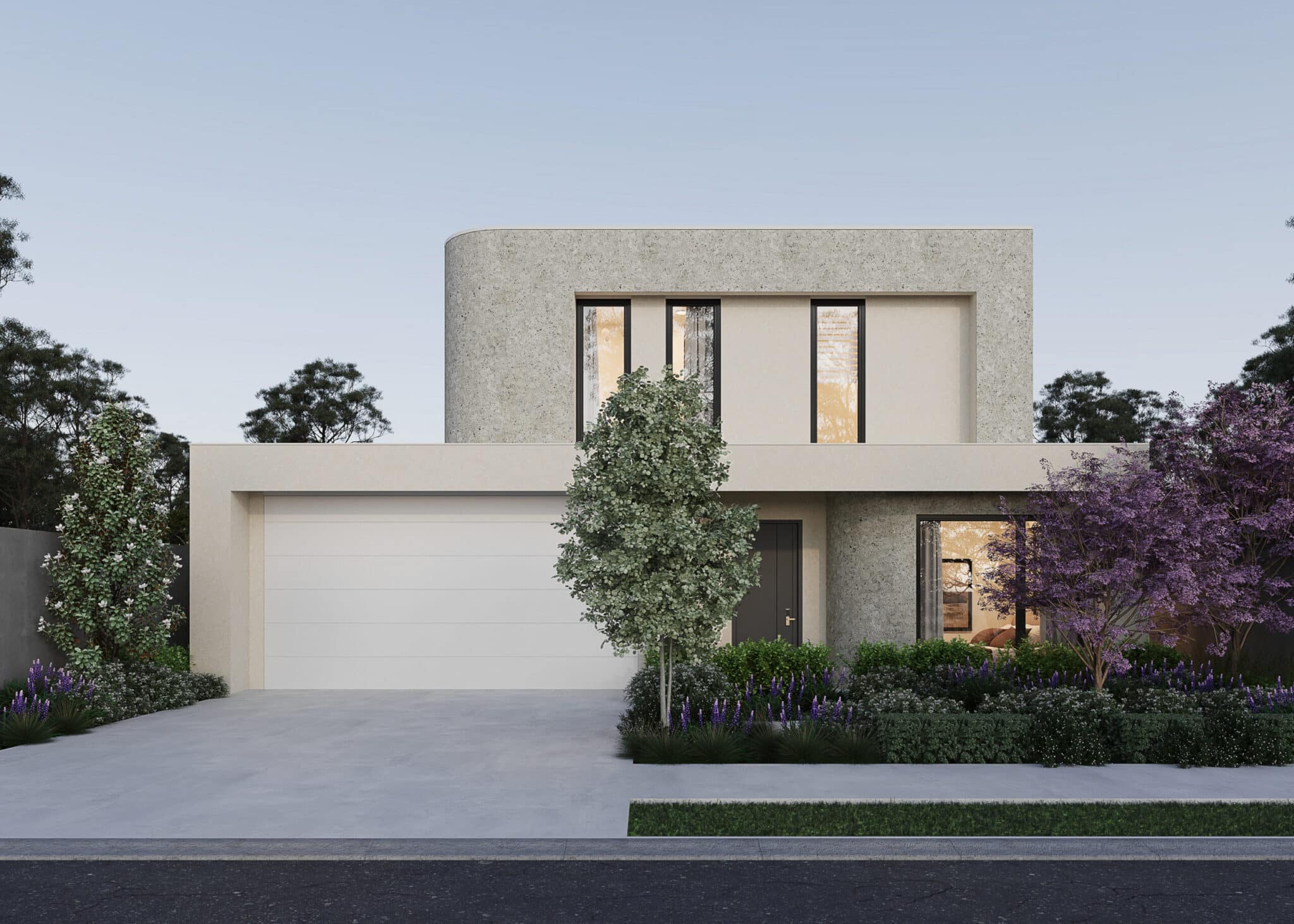
Every home Senka builds meets or exceeds the 7 star NatHERS minimum. This is not a premium add on or an optional upgrade package. It is the engineering baseline for every project.
The reason is straightforward. The 7 star energy rating is a legal requirement for all new residential builds in Victoria. But meeting the requirement is not automatic. It requires deliberate design decisions around orientation, insulation specification, glazing performance, shading, and ventilation.
At Senka, these decisions are embedded in the design process of every new home we build, not patched on at the compliance stage. Every floor plan is assessed for thermal performance during design development, not after the plan is finalised. This means the orientation of living areas, the placement and specification of windows, the roof overhang for summer shading, and the insulation levels in walls, ceilings, and floors are all calibrated to the specific block and climate zone.
The result is a NatHERS certificate that meets or exceeds 7 stars, produced as part of the standard documentation package for every build. That certificate is exactly what your lender needs to approve a green home loan rate.
In addition to the NatHERS rating, standard Senka inclusions align with many lenders’ broader sustainability criteria. Ducted reverse cycle air conditioning provides efficient heating and cooling. LED lighting is fitted throughout. Water efficient fixtures are standard. These inclusions contribute to the Whole of Home energy assessment that some lenders require for their top tier green loan rates.
The point is that you do not need to ask for a green eligible home or pay more for one. If you are building with Senka, you are already eligible. The question is simply which lender offers the best green rate for your situation.
How to apply
Applying for a green home loan follows the same process as any home loan or construction loan application. The additional step is providing evidence that your property meets the energy efficiency criteria.
Step one. Confirm your eligibility. If you are building a new home, you are almost certainly eligible. Your builder should be able to confirm the expected NatHERS rating for your specific design and block. At Senka, we confirm this during the design consultation.
Step two. Get the right broker. Not every broker is across green home loan products. You want someone who knows which lenders offer them, what documentation they require, and how the green rate interacts with a construction loan drawdown structure. The rate discount should apply from the first drawdown, not just after completion.
Step three. Gather your documentation. You will need the standard home loan documents: income evidence, identification, deposit details, and the building contract. In addition, you will need the NatHERS certificate for the property. For a new build, this is produced during the permit phase. If you are applying for finance before the certificate is issued, some lenders will approve the green rate conditionally based on the energy assessment in the building plans.
Step four. Compare products. The rate discount is the headline feature, but also compare the loan’s fees, features, offset account, redraw facility, and flexibility. A 0.20 percent green discount on a loan with a $395 annual fee may be less attractive than a 0.15 percent discount with no fees. Your broker should model the total cost, not just the rate.
Step five. Apply and provide the NatHERS certificate. Once you and your broker have selected the right product, submit your application with the NatHERS certificate or energy assessment included. The lender verifies eligibility and, if approved, applies the green rate to your loan from settlement or first drawdown.
If you are also accessing the First Home Owner Grant or stamp duty concessions, these work alongside a green home loan without conflict. You can stack the grant, the stamp duty saving, and the green rate discount. For first home buyers building a new home, this combination delivers a financial advantage that established property purchases simply cannot match.
Frequently asked questions
What is a green home loan?
A green home loan is a mortgage product that offers a discounted interest rate for properties that meet defined energy efficiency standards. The discount typically ranges from 0.10 to 0.40 percent below the lender’s standard rate. The most common qualifying threshold is a minimum 7 star NatHERS energy rating, which every new home in Australia must meet under current building codes.
Do all new homes qualify for a green home loan?
All new homes built to the current National Construction Code standard achieve a minimum 7 star NatHERS rating, which meets the eligibility threshold for most green home loan products. However, qualifying for the product also depends on the specific lender’s documentation requirements. Some require only the NatHERS certificate. Others may require additional sustainability evidence.
How much can I save with a green home loan?
On a $600,000 loan over 30 years, a 0.20 percent rate discount saves approximately $27,600 in total interest. A 0.40 percent discount saves approximately $54,000. Monthly repayment savings range from $37 to $147 depending on the discount level. These savings are in addition to the lower energy bills from living in an energy efficient home.
Can I get a green home loan for a construction loan?
Yes. Several lenders offer green rates on construction loans, with the discount applying from the first drawdown stage. This means you benefit from the lower rate throughout the build period, not just after the home is completed. Ask your broker specifically about lenders that apply the green rate to construction loans.
Does a green home loan have different features to a standard loan?
The loan structure is typically the same as the lender’s standard home loan product. You get the same repayment options, offset accounts, redraw facilities, and features. The difference is the interest rate, which is lower due to the energy efficiency qualification. Some lenders offer the green rate as a variant of their standard product, while others position it as a separate product line.
What if my home exceeds the 7 star minimum?
Some lenders offer tiered green rates, with a larger discount for homes rated at 7.5, 8, or more stars. If your home exceeds the minimum NatHERS requirement, discuss this with your broker to ensure you are accessing the best available rate for your actual rating.
Where to start
Every new home built in Australia qualifies for a green home loan. The question is not whether you are eligible, but whether your lender and broker are set up to give you the rate you have earned.
At Senka, every home meets or exceeds the 7 star NatHERS standard. The NatHERS certificate is part of the standard documentation package. There is no extra step, no upgrade required, and no premium to access the benefit.
If you are building a new home in Melbourne and want to access the best available rate, talk to us. We will connect you with a broker who understands both construction finance and green lending products, so the rate advantage is built into your loan from day one.