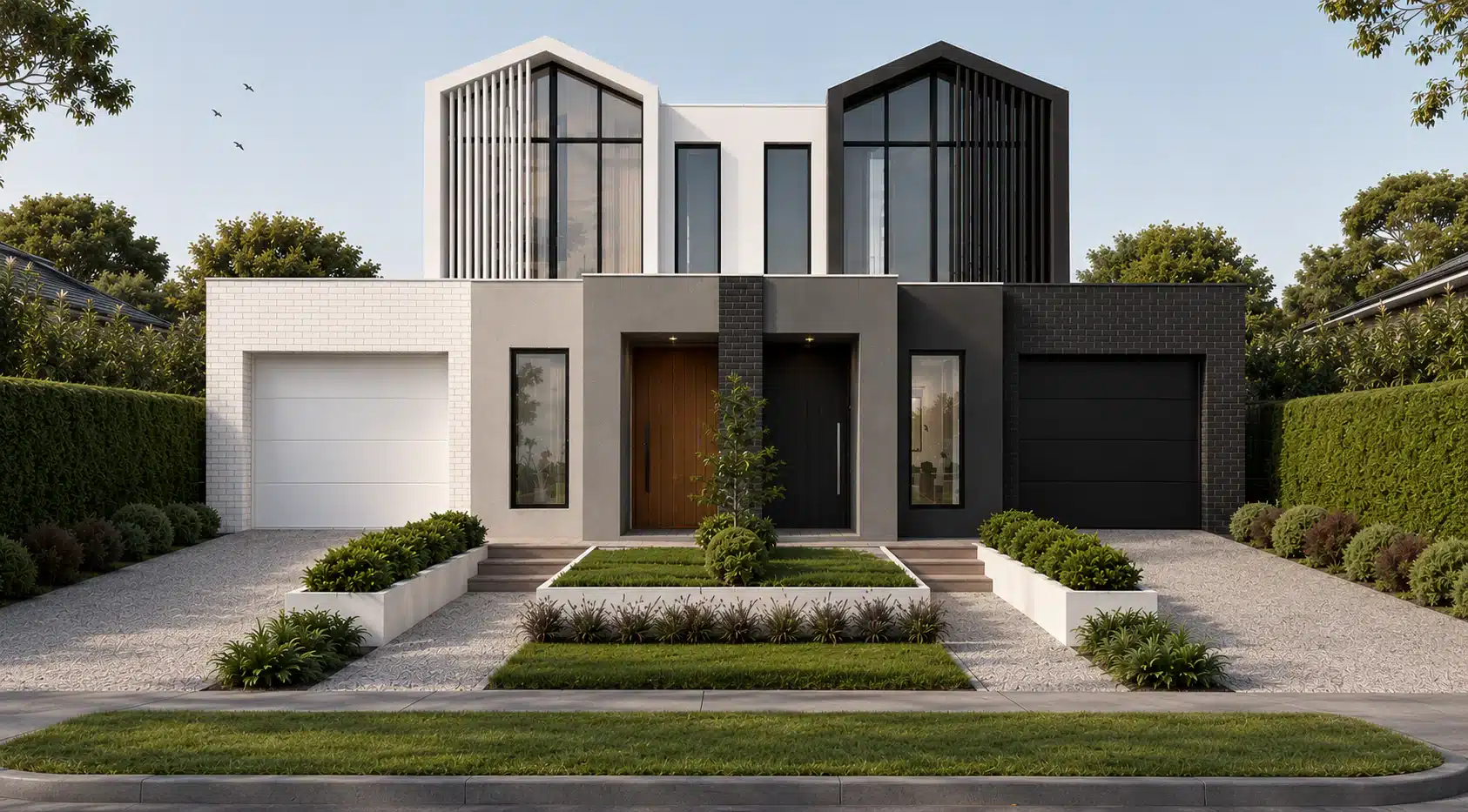
When you build a new home, the options list can feel endless. Facade upgrades. Stone benchtops. Higher ceilings. Bigger windows. Feature tiling. Upgraded flooring. Every builder presents a menu of design options, and every option has a price attached. For clients comparing builders and trying to manage a budget, the question is always the same: which options are worth the spend, and which ones are not?
The answer depends on two things: what your builder includes as standard, and whether the option adds genuine long term value or is simply a margin opportunity dressed up as a design decision.
This guide breaks down the design options available when building a new home, separates the ones that genuinely matter from the ones that carry inflated markups, and explains what Senka includes as standard that many builders charge extra for. If you are working through a selections process or comparing quotes, this will help you spend where it counts.
What Are Design Options?
Design options are modifications, additions, or upgrades to the standard specification included in your building contract. They fall into two broad categories: structural options that affect the physical design of the home, and cosmetic options that affect the appearance and finish quality.
Every builder has a base specification. This is the standard set of inclusions that comes with the home at the quoted price. Design options sit on top of that base. Some are selected during the quoting phase before the contract is signed. Others are chosen during the colour consultation or selections process after the contract is executed.
The important distinction is timing. Structural options must be decided before construction begins. Cosmetic options have more flexibility, though some are still time sensitive depending on the construction stage.
Understanding what is included in a house and land package at base level is the essential first step. The options that matter depend entirely on what is already covered.
Structural Options You Need to Decide Early
Structural options change the physical design of the home. They affect the slab, the frame, the roofline, or the floor plan. Once the engineering is completed and the building permit is issued, structural changes become expensive and in some cases impossible.
Ceiling height upgrades. Standard height is 2,440mm. Upgrading to 2,700mm creates a noticeably different spatial quality, improving natural light and allowing taller windows. This must be specified before the frame is ordered. After the frame is built, it cannot be changed.
Floor plan modifications. Adding a study, extending a living area, or repositioning a garage are structural decisions that affect the slab and engineering.
Alfresco and outdoor living extensions. The roofline, footings, and drainage must be designed to accommodate the additional area. Adding this after the slab means a separate structure, more expensive and less integrated.
Garage upgrades. Moving from single to double or double to triple changes the slab width, roofline, and facade proportions. This is a pre contract decision.
Window sizing and placement. Larger or additional windows affect the frame, the energy rating, and the facade design.
The rule of thumb: If it changes the footprint, the roofline, or the frame, it must be decided before the building permit is submitted. These options carry real value, but they also carry real consequences if they are deferred.
Cosmetic Options You Can Add Later
Cosmetic options affect the visual presentation and finish quality of the home without changing the structure. Many of these can be selected later in the process, and some can even be done after handover at a lower cost than the builder’s upgrade price.
Paint colours. The cost of premium paint colours versus standard colours is negligible. This is an area where the decision matters more than the spend.
Tapware finish. Matte black, brushed nickel, chrome, or brass. These are aesthetic decisions that do not affect plumbing, and the visual impact in a bathroom or kitchen is significant relative to the modest cost difference.
Flooring upgrades. Moving from carpet to hybrid or laminate flooring in living areas is a common upgrade. Flooring is installed after the frame is complete, so this decision can be made later. If you are planning genuine hardwood, flag the subfloor preparation early.
Facade feature materials. Adding a rendered panel, feature cladding, or stone element to the facade adds visual interest without requiring re-engineering.
Light fittings. The actual fixture selection can be deferred, but if you plan for pendants in specific locations, let your builder know during the electrical layout stage so the rough in accommodates them.

Options That Add Genuine Value
Not every upgrade is equal. Some options improve how the home performs, how it feels to live in, and how it holds value over time. These are worth considering even on a tight budget.
Higher ceilings. Upgrading from 2,440mm to 2,700mm typically costs $3,000 to $6,000 for a single storey home. Rooms feel more generous, natural light improves, and the architectural quality lifts noticeably. One of the most cost effective structural upgrades available.
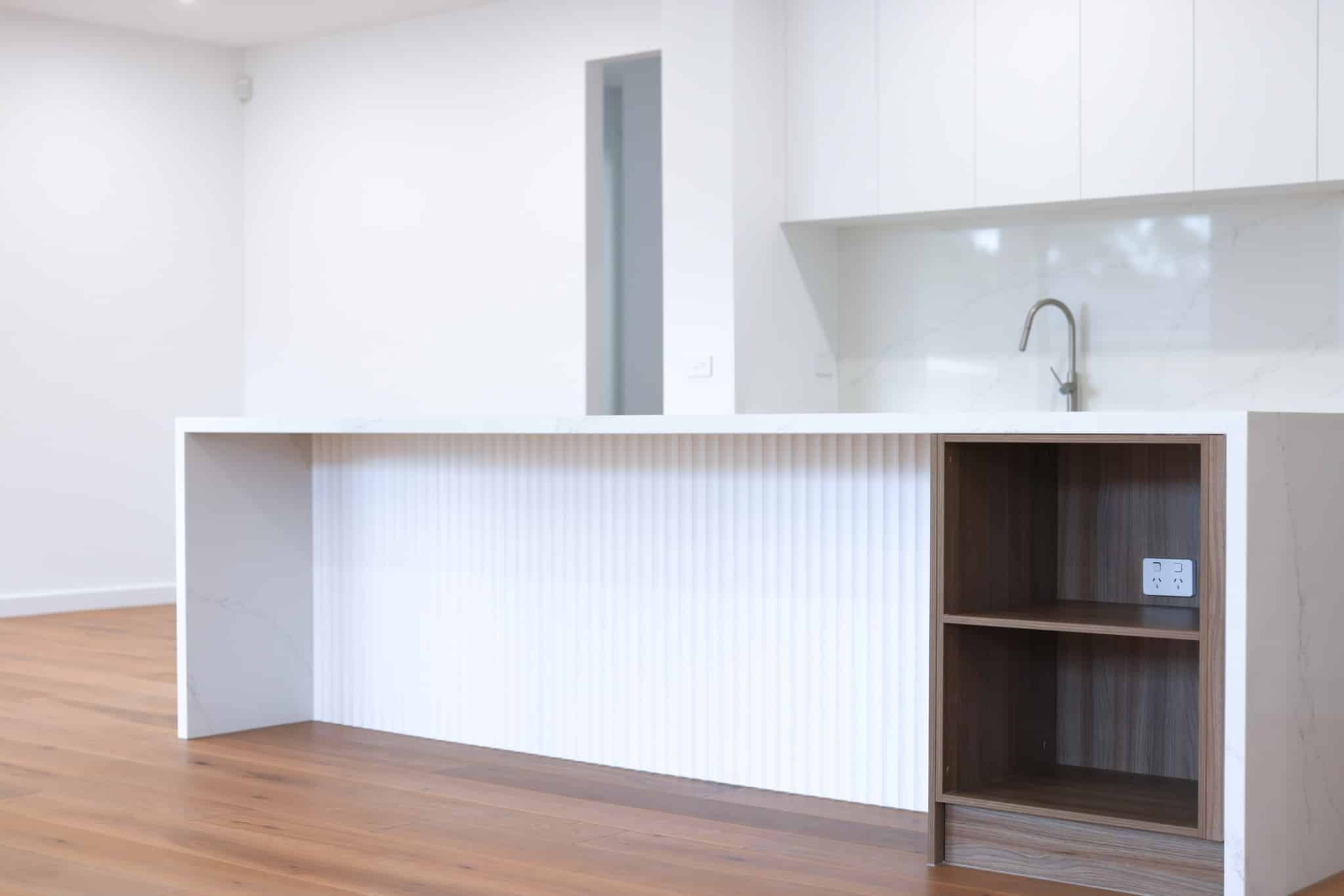
Quality kitchen benchtops. Upgrading from laminate to stone transforms the look and durability of the kitchen. Stone is harder wearing, easier to maintain, and adds to resale appeal. In a Senka home, stone benchtops are included as standard.
Ducted heating and cooling. More effective than split systems for open plan living, quieter, and does not require visible wall mounted units. Included as standard in a Senka home.
Upgraded flooring in living areas. Hybrid or laminate timber look flooring in the kitchen, living, and dining areas is easier to clean, more durable, and creates a more cohesive visual flow.
Extra power and data points. Adding points during rough in costs very little compared to retrofitting after handover. Extra points during construction are a fraction of the cost of an electrician returning after the walls are lined. See our guide on now or never inclusions.
Options Not Worth the Markup
Some builder upgrades are priced at a significant premium over what the same item would cost if sourced and installed independently after handover. Knowing where these markups sit helps you allocate your budget more effectively.
Window furnishings. Blinds and curtains ordered through the builder are frequently marked up well above retail. Getting three independent quotes after handover often saves 30 to 50 per cent on the same or better product.
Appliance upgrades. Upgrading to a premium oven, cooktop, or dishwasher through the building contract often costs more than buying the appliance at a retail store. Builders negotiate trade pricing, but the margin they add can exceed retail sale pricing.
Premium light fittings. Upgrading through the builder’s selections process is typically more expensive than sourcing the same fittings from a lighting supplier and having them installed independently. The exception is fittings that require non standard electrical work during rough in.
Decorative landscaping upgrades. Feature paving, mature trees, and outdoor kitchens through the builder are almost always more expensive than engaging a landscaper directly after handover. The builder’s core competency is the house, not the garden.
What Is Already Included in a Senka Home
One of the reasons our clients spend less on upgrades is that many items other builders list as optional extras are already part of the Senka standard specification.
Every Senka home includes:
- Stone benchtops to kitchen, bathroom, and ensuite
- Ducted heating and cooling throughout
- Quality tapware and fixtures
- An architectural facade with a combination of materials
- Landscaping, front fencing, and a concrete driveway
- Soft close cabinetry hardware
- Structural guarantee
These are not promotional additions or limited time offers. They are the standard specification that applies to every home we build. When you compare a Senka quote against a builder who lists these items as upgrades, the headline price difference often disappears once you account for the options you would need to add to reach the same level of finish. Our guide on comparing house and land packages shows how to do this comparison properly.
How to Prioritise Your Option Spend
If your budget allows for some upgrades but not all of them, here is how to think about prioritisation.
First priority: structural options that cannot be changed later. Ceiling heights, floor plan changes, and alfresco extensions are the decisions with the longest permanence and the highest cost to change after the fact. If you are going to stretch the budget anywhere, stretch it here.
Second priority: options that improve daily liveability. Kitchen benchtops, flooring in living areas, and ducted air conditioning fall into this category. These are things you interact with every day, and the quality difference is felt constantly.
Third priority: cosmetic options that are cheaper to do later. Blinds, appliance upgrades, decorative landscaping, and feature light fittings can all be done after handover, often at a lower cost. If budget is tight, defer these and revisit them once you have moved in and understand how you use the home.
What to avoid entirely: Options that are priced at a premium purely because they are convenient to add during the build, not because they add meaningful value. If the builder’s price for an item is significantly higher than what you can source independently, defer it.
The smartest approach to design options is not spending more. It is spending in the right places at the right time, on a complete base specification that already covers the essentials.
Frequently Asked Questions
What design options should I choose when building a new home?
Focus your budget on structural options that cannot be changed later, such as ceiling height upgrades and floor plan modifications, then on items that improve daily liveability like quality benchtops and flooring. Defer cosmetic options such as blinds, feature landscaping, and appliance upgrades, which can be done more cost effectively after handover.
What is the difference between structural and cosmetic design options?
Structural options change the physical design of the home, including the slab, frame, roofline, or floor plan. They must be decided before construction begins. Cosmetic options affect the visual appearance and finishes without changing the structure. Most cosmetic options have more flexibility in timing and can be selected later or completed after handover.
Are higher ceilings worth the extra cost?
In most cases, yes. Upgrading from 2,440mm to 2,700mm ceilings typically costs $3,000 to $6,000 for a single storey home. The spatial improvement is significant, and higher ceilings improve natural light, make rooms feel more generous, and add architectural quality that is visible throughout the home.
Which upgrades are overpriced when ordered through the builder?
Window furnishings, appliance upgrades, premium light fittings, and decorative landscaping are commonly marked up when included in the building contract. For each of these, getting independent quotes after handover often delivers the same or better quality at a lower cost.
What is included as standard in a Senka home that other builders charge extra for?
Senka includes stone benchtops, ducted heating and cooling, quality tapware and fixtures, an architectural facade, landscaping, front fencing, a concrete driveway, and soft close cabinetry hardware as standard in every home. Many volume builders classify some or all of these as upgrades, which adds significant cost to their base price.
Can I add design options after the contract is signed?
Yes, through a formal variation process. However, any option that changes the structure, footprint, or engineering must be processed before the building permit is issued or the relevant construction stage begins. Cosmetic selections are typically confirmed during the colour consultation after contract signing.
Standard inclusions such as front and rear landscaping, full boundary fencing and a concrete driveway apply to Senka house and land packages. On custom builds and knockdown rebuilds the inclusion list is set by your building contract.