The question of building vs buying a house in Australia comes up in almost every conversation we have with new clients. It is one of the most consequential financial decisions a household will make, yet most of the advice online treats it as a simple pros and cons list. It is not. The answer depends on what you are buying, what is included, what you plan to do with the property, and how long you intend to hold it.
This article sets out a direct comparison between building a new house and land package and purchasing an established home in Melbourne. We have used a $600,000 budget as the baseline, because it reflects a realistic entry point for both options across Melbourne’s growth corridors and middle ring suburbs.
If you want the short version: for most buyers in Melbourne right now, building delivers more home, lower ongoing costs, better tax outcomes, and stronger long term value. But there are honest trade offs, and we will cover those too.
Upfront Costs: Building vs Buying Compared
At $600,000, both options are achievable in Melbourne, but what you get for that money is fundamentally different.
An established home at that price point in suburbs like Craigieburn, Werribee, or Melton typically delivers a 15 to 25 year old home on a 400 to 550 square metre block. Expect original kitchens and bathrooms, single glazed windows, no insulation upgrades, and a maintenance profile that has already started to climb.
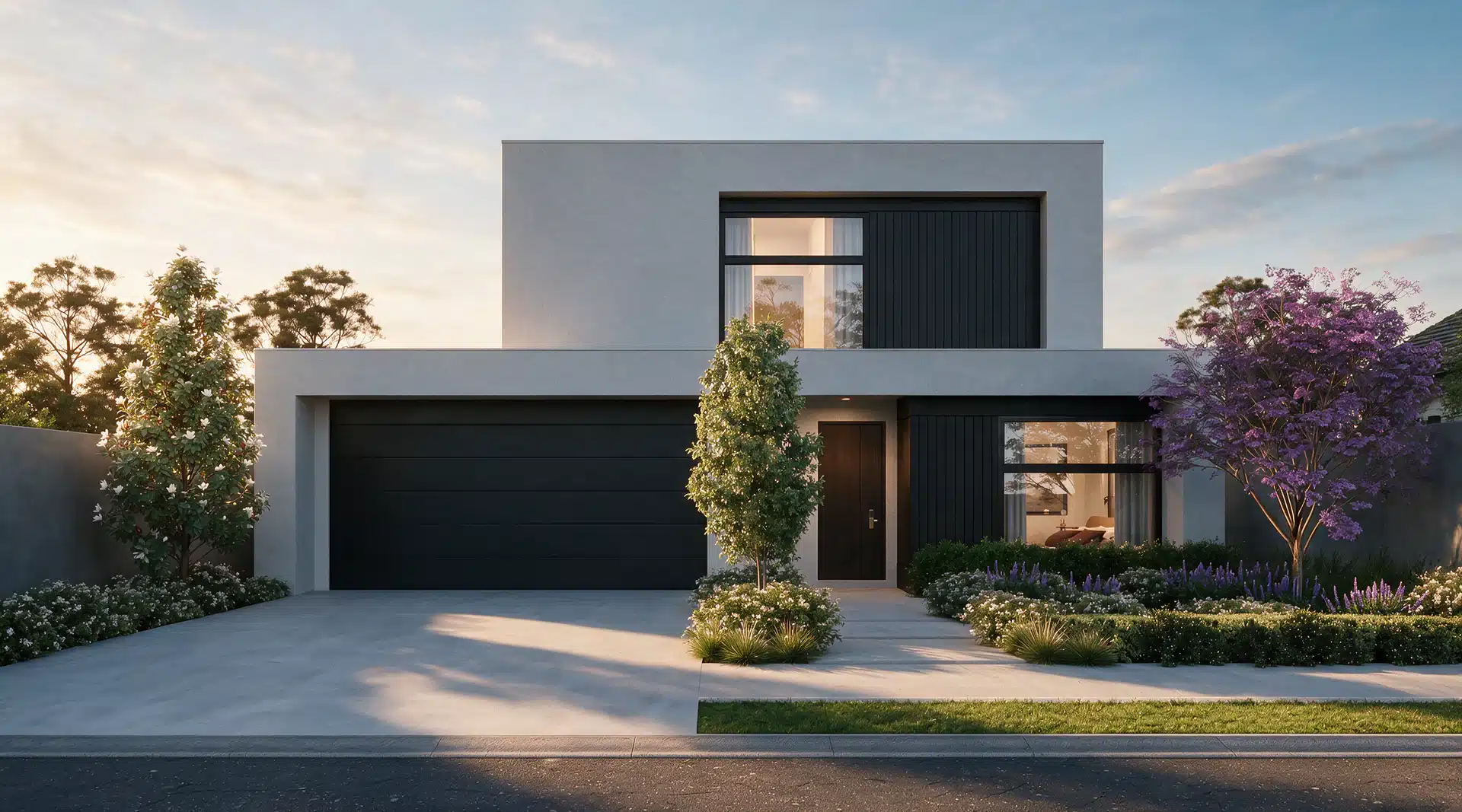
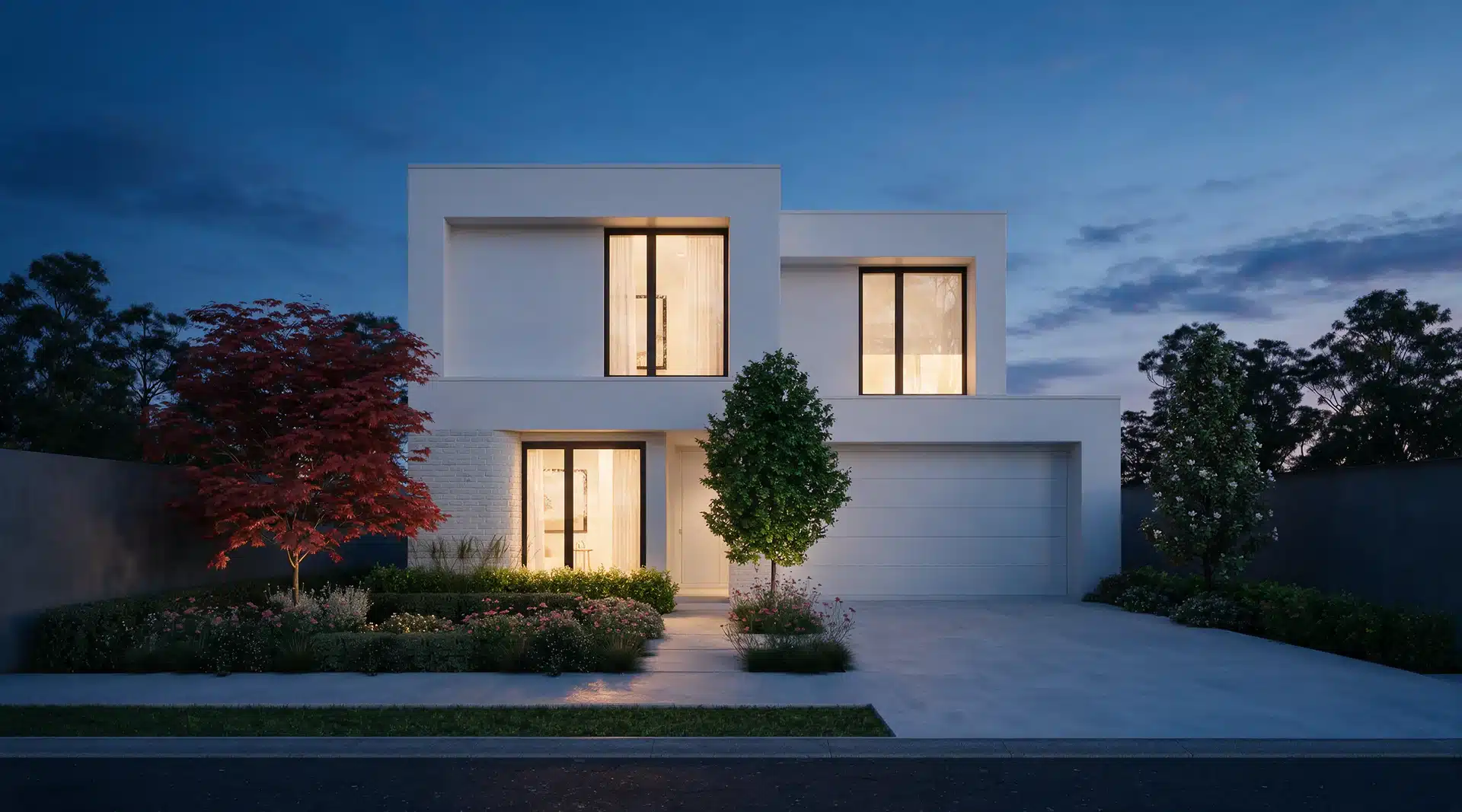
A $600,000 house and land package through Senka delivers a new four bedroom, two bathroom home on a titled lot in a comparable corridor. The difference is what comes with it: landscaping, fencing, blinds, an architectural facade, a concrete driveway, ducted air conditioning, Opticomm fibre connectivity, and premium fixtures throughout. These are standard inclusions, not optional extras.
The comparison table below breaks this down in real terms.
| Category | $600K Established Home | $600K Senka House and Land |
|---|---|---|
| Stamp duty (approx.) | $31,000 | $10,500 (land component only) |
| Energy rating | 2 to 4 stars typical | 7 stars (NCC compliant) |
| Annual energy costs (est.) | $3,200 to $4,000 | $1,400 to $2,000 |
| Depreciation (Year 1, investor) | $3,000 to $5,000 | $12,000 to $18,000 |
| Structural warranty | None | 6 year statutory (structural) |
| Landscaping included | No (existing, condition varies) | Yes, front and rear |
| Fencing included | Existing, may need replacement | Yes, new to boundary |
| Air conditioning | Window units or none | Ducted, zoned |
| Facade | Original, dated | Architectural, designer selected |
| Customisation | Renovate at additional cost | Selected during design phase |
| Estimated maintenance (Year 1 to 5) | $5,000 to $15,000 | Minimal, warranty covered |
The headline price is the same. What you walk into on settlement day is not.
For a detailed breakdown of construction pricing, see our guide on how much it costs to build a house in Melbourne.
Stamp Duty: The Hidden Advantage of Building
Stamp duty is one of the most significant upfront costs in any property purchase, and it is also where the building option creates the clearest financial advantage.
When you buy an established home in Victoria, stamp duty is calculated on the full purchase price. At $600,000, that means approximately $31,000 in transfer duty payable at settlement.
When you purchase a house and land package, stamp duty is calculated on the land component only, because the home does not yet exist at the time of the land contract. If the land is purchased at $280,000 within a $600,000 package, the duty is approximately $10,500. That is a saving of more than $20,000 before construction even begins.
For eligible first home buyers, the saving can be even greater. Victoria’s first home buyer stamp duty exemption applies to homes with a dutiable value up to $600,000, and concessions extend to $750,000. Combined with the First Home Owner Grant of $10,000 for new builds valued up to $750,000, the effective entry cost drops significantly.
These savings are structural, not promotional. They exist because of how stamp duty legislation treats new construction vs established property transfers. We have a full guide to stamp duty on house and land packages that covers the calculations in detail.
Maintenance and Running Costs
This is where the gap between new and established compounds over time.
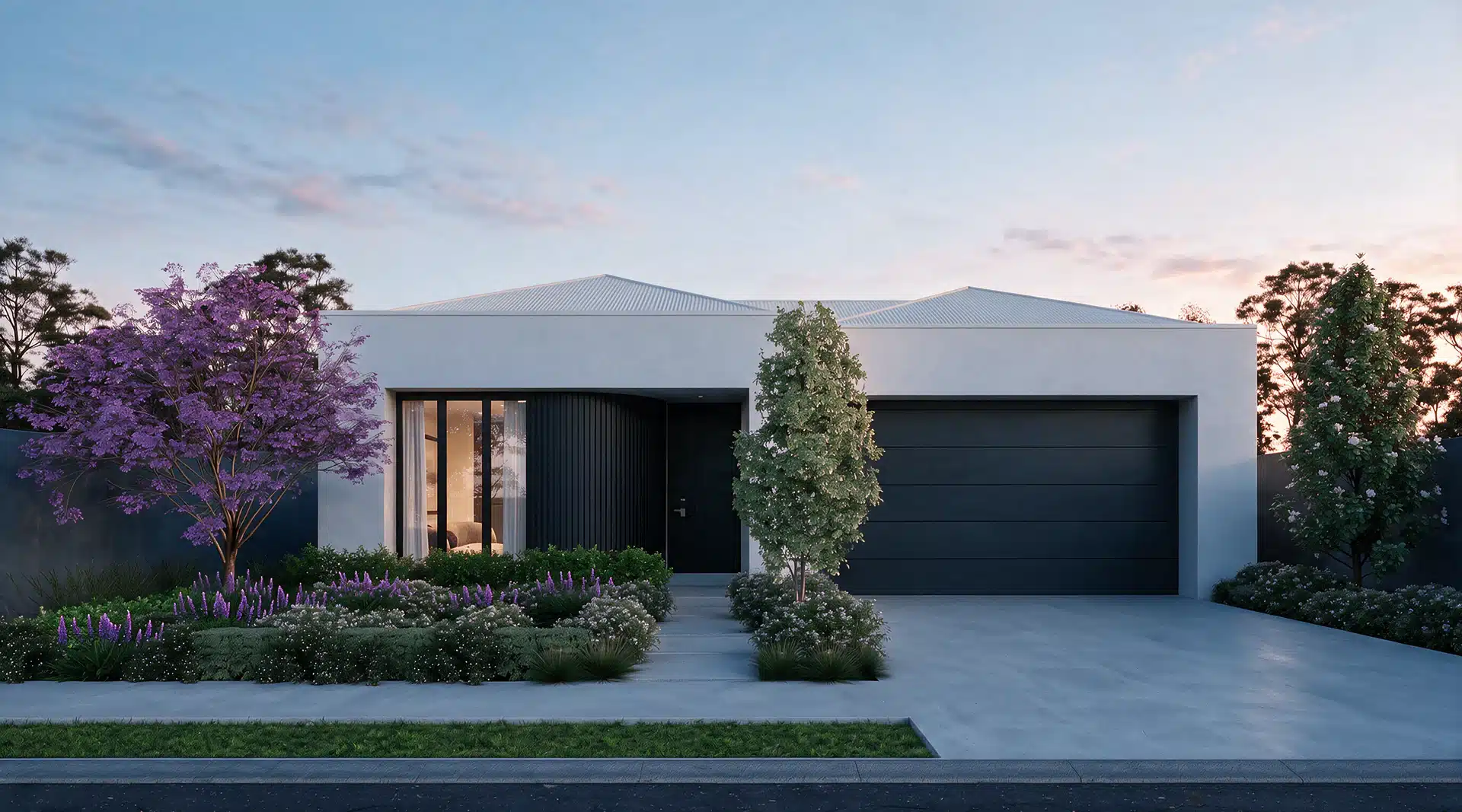
An established home purchased at the $600,000 mark will likely need attention within the first five years. Hot water system replacement, roof restoration, bathroom updates, electrical switchboard upgrades, and window draught sealing are common. A realistic maintenance budget for years one through five is $5,000 to $15,000. Some buyers budget for this. Most do not.
A new build reverses this equation. Every component is new, every system is warranted, and every trade has been signed off at handover. At Senka, our structural guarantee covers the building envelope and structural elements. Manufacturer warranties cover appliances, fixtures, and mechanical systems individually.
The practical result is that your maintenance spend in the first five years of a new home is close to zero. No emergency plumber calls. No surprise roof leaks. No switchboard that trips when you run the dryer and the oven at the same time.
Over a ten year ownership period, the maintenance cost differential between a new build and an established home at comparable price points is conservatively $20,000 to $40,000. That is not an abstract projection. It is the reality of owning aging building systems versus new ones.
Energy Efficiency and the 7 Star Standard
Every new home built in Victoria must meet a minimum 7 star energy rating under the National Construction Code. This is not a marketing claim. It is a regulatory requirement, and it has real consequences for running costs.
A 7 star rated home includes double glazed windows with thermally broken frames, R4.0 or higher ceiling insulation, orientated design that accounts for solar gain and prevailing winds, efficient ducted reverse cycle air conditioning, and a sealed building envelope that minimises thermal bridging.
Established homes built before 2010 were typically constructed to a 4 or 5 star standard. Homes built before 2005 often have no rating at all. The practical difference is heating and cooling costs 40 to 60 per cent higher and energy bills that climb every year as rates increase.
At a $600,000 price point, you can expect to save $1,200 to $2,000 per year on energy costs by choosing a new build over an established home. Over a 10 year hold, that is $12,000 to $20,000 in direct savings before accounting for further rate increases.
Every Senka home is designed to the 7 star standard as a baseline. It is not something we upsell. It is embedded in the design, the specifications, and the engineering from day one. For a deeper look at how energy ratings affect your build, read our guide to the 7 star energy rating.
Customisation and Getting What You Actually Want
When you buy an established home, you buy someone else’s decisions. Their kitchen layout. Their bathroom tiles. Their colour scheme. Their idea of where a bedroom should be.
If those decisions do not suit you, the options are limited: live with it, or renovate. Renovation at this price point typically means $30,000 to $80,000 to update a kitchen and main bathroom to a modern standard. And even then, the floor plan remains unchanged. You cannot move load bearing walls without engineering, council permits, and a significantly larger budget.
Building gives you the opportunity to make every decision before construction begins. Floor plan. Facade. Colour palette. Benchtop material. Tapware. Tile format. Cabinetry profile. Window placement. Ceiling heights. The result is a home that reflects how you actually live, not how someone else lived twenty years ago.
At Senka, the design process for every new home we build begins with understanding how a household functions. How many people live there. How they move through the home. Where they spend mornings and evenings. How they entertain. Where natural light falls across the site. These conversations shape the plan before a single line is drawn.
The standard Senka inclusion set means the customisation conversation starts from a high base. You are selecting from premium fixtures, not paying to upgrade from builder grade. The difference is significant, both in the quality of the finished home and the stress of the selection process.
Depreciation and Tax Benefits for Investors
For investors, the comparison between building and buying is not even close.
A new build offers substantial depreciation benefits that an established property cannot match. Under Australian tax law, investors can claim depreciation on both the building structure (Division 43, at 2.5 per cent per annum) and the plant and equipment within the home (Division 40), which includes items like air conditioning, blinds, carpets, appliances, and hot water systems.
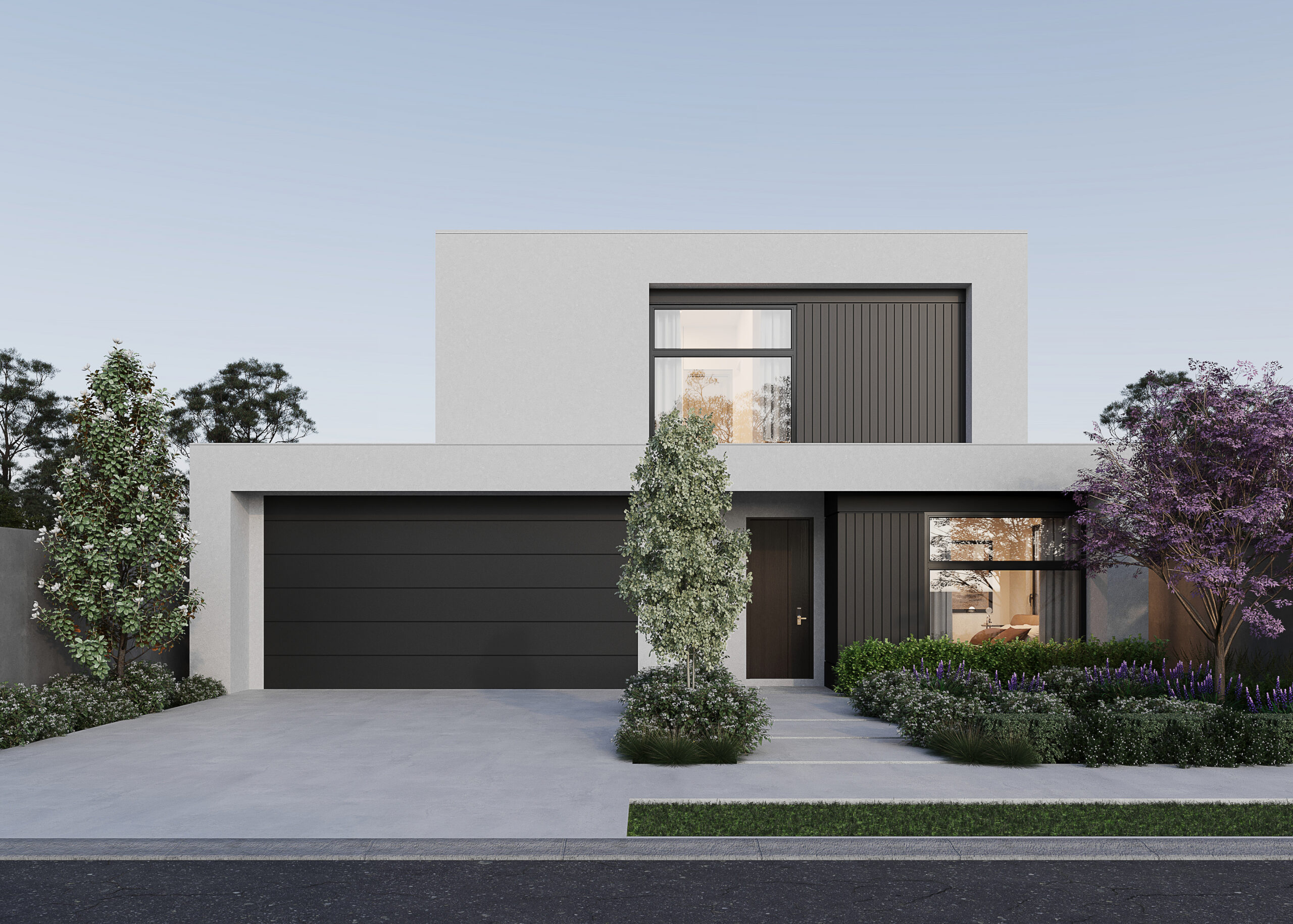
On a new Senka home with a construction value of approximately $320,000, the depreciation profile in year one alone can exceed $15,000. Over the first five years, total claimable depreciation typically sits between $55,000 and $75,000. This directly reduces taxable income and improves the net cash flow position of the investment.
An established home purchased at the same total price has significantly diminished depreciation potential. Legislative changes in 2017 removed the ability for subsequent owners to claim depreciation on existing plant and equipment installed by a previous owner. The building structure depreciation still applies, but at a lower base value and with fewer claimable years remaining.
The bottom line: a new build puts more money back into the investor’s pocket through the tax system. When combined with lower maintenance costs and better rental appeal from modern design, the investment case for building is compelling. Read our full breakdown on why new builds outperform for investors.
Resale Value and Long Term Growth
There is a common assumption that established homes in established suburbs will always outperform new builds in growth corridors. The data does not support that as a blanket rule.
Over the last decade, well located house and land packages in Melbourne’s growth areas have delivered capital growth rates competitive with established stock in comparable price brackets. Suburbs like Tarneit, Clyde North, Mickleham, and Donnybrook have delivered strong annual growth as infrastructure and amenities have been completed.
The driver is straightforward: Melbourne is forecast to remain one of Australia’s fastest growing cities through 2050. Population growth creates demand. New communities with modern infrastructure and planned amenity attract both owner occupiers and tenants.
A new home also ages better than an old one. A 7 star rated, architecturally considered home built in 2026 will still be modern and efficient in 2036. An already dated home purchased in 2026 will be 25 to 35 years old by then, with a maintenance profile and energy performance that makes it harder to sell at a premium.
Resale appeal comes down to what a buyer is willing to pay. Modern floor plans, efficient systems, and low maintenance requirements consistently attract stronger offers than homes that need work before they are liveable.
The Honest Downsides of Building
No comparison is complete without the other side. Building a home has genuine drawbacks, and pretending otherwise would undermine the credibility of everything above.
Time. An established home purchase can settle in 30 to 90 days. A house and land package takes 8 to 14 months from contract to handover, depending on land titling, council approvals, and build complexity. If you need to move quickly, building may not suit your timeline. For buyers who are not in a rush, the wait is manageable and the result is worth it.
Complexity. Building involves more decisions than buying. Choosing a floor plan, selecting finishes, understanding site costs, managing a construction loan with progressive drawdowns, and coordinating across multiple stages. It is a more involved process, and not every buyer is comfortable with that.
Location trade offs. At $600,000, new builds are concentrated in growth corridors 25 to 45 kilometres from the CBD. If proximity to established inner suburbs is non negotiable, building at this price point may not deliver the location you want. Established homes offer access to suburbs with mature infrastructure and shorter commute times.
Uncertainty during construction. Delays can and do happen. Material shortages, weather events, trade availability, and council processing times can all push timelines out. A good builder communicates through these delays and manages them proactively, but they are a reality of the construction process.
Two transactions. A house and land package involves a land purchase and a separate building contract. This means two sets of legal costs, two settlement processes, and a more complex finance structure than a single property purchase.
These are real considerations, and they matter. The right choice depends on your priorities, your timeline, and your financial position. What the data consistently shows is that for buyers and investors willing to manage the build process, the financial and lifestyle outcomes favour new construction.
Frequently Asked Questions
Is it cheaper to build or buy in Melbourne?
At a comparable price point, building delivers more value. A $600,000 house and land package includes a new home with full inclusions, a 7 star energy rating, and a structural warranty. A $600,000 established home typically requires additional spending on maintenance, renovations, and energy improvements. When you factor in stamp duty savings of $15,000 to $20,000, lower running costs, and depreciation benefits for investors, building is the more cost effective path for most buyers.
What are the tax benefits of a new build vs established?
New builds offer significantly higher depreciation deductions for investors. Division 43 allows a claim of 2.5 per cent per annum on the construction cost, and Division 40 covers all new plant and equipment. In year one, total depreciation on a new Senka home can exceed $15,000. Established properties purchased after 2017 cannot claim depreciation on existing plant and equipment, which substantially reduces the tax benefit.
How long does it take to build vs finding an established home?
An established home can be purchased and settled within 30 to 90 days. A house and land package typically takes 8 to 14 months from contract execution to handover. The timeline includes land titling (if not already titled), council and building permits, site preparation, and the construction program. The longer timeline is the trade off for a home built to your specification with current compliance standards.
Do new homes hold their value better?
New homes in well located growth corridors have delivered competitive capital growth over the last decade. They also hold their value through resale because modern design, energy efficiency, and low maintenance requirements appeal to a broader buyer pool. An established home depreciates in condition each year and requires ongoing capital expenditure to maintain its market position. Over a 10 year hold, the total return on a new build, including capital growth, rental yield, tax benefits, and avoided maintenance, typically outperforms a comparable established purchase.
Standard inclusions such as front and rear landscaping, full boundary fencing and a concrete driveway apply to Senka house and land packages. On custom builds and knockdown rebuilds the inclusion list is set by your building contract.